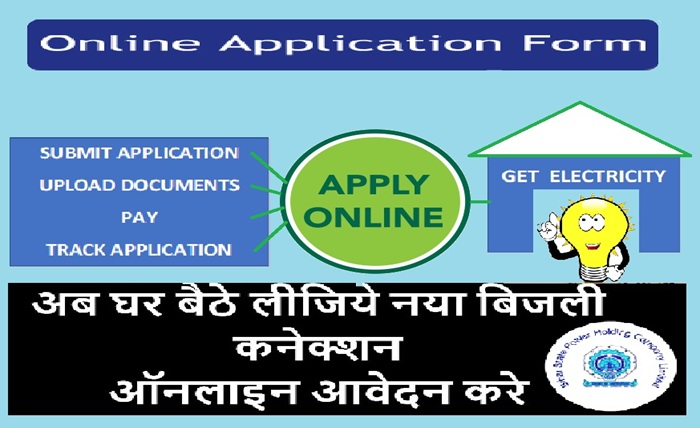
Electricity is no longer a luxury; it is a necessity. The har ghar bijli initiative seeks to ensure that every household in India has access to reliable electricity. By bringing power to remote villages and underserved areas, this program not only transforms lives but also fuels economic growth and social development. With the government and private stakeholders working together, har ghar bijli promises a future where no home remains in the dark.
The Importance of Har Ghar Bijli for Rural Development
Rural areas in India have historically struggled with electricity access. Programs like har ghar bijli aim to bridge this gap, ensuring that farmers, students, and small businesses can thrive. Electricity enables irrigation systems, powers educational institutions, and promotes digital literacy. By implementing har ghar bijli, rural communities can access better healthcare, improved infrastructure, and economic opportunities that were previously out of reach.
Government Initiatives Behind Har Ghar Bijli
The Indian government has introduced several schemes under the har ghar bijli initiative. Programs like the Saubhagya Scheme are designed to provide last-mile electricity connections to un-electrified households. These initiatives not only focus on providing electricity but also aim to ensure affordability and sustainability. Through har ghar bijli, millions of households have received electricity connections, thereby enhancing their standard of living.
Technological Advancements Supporting Har Ghar Bijli
Modern technology plays a pivotal role in achieving the goals of har ghar bijli. Solar energy, smart grids, and energy-efficient solutions are being deployed to reach remote areas. These advancements ensure that electricity is not only available but also reliable and sustainable. Through har ghar bijli, smart meters, renewable energy projects, and innovative distribution systems are helping reduce power shortages and ensure a consistent supply for every household.
Economic Benefits of Har Ghar Bijli
Access to electricity through har ghar bijli has significant economic implications. Electrified homes enable local businesses to operate efficiently, create employment opportunities, and improve productivity. Farmers can use electric-powered irrigation, reducing dependency on traditional methods. By ensuring har ghar bijli, India is paving the way for industrial growth, better market access, and an overall boost in the rural and urban economy.
Social Impact of Har Ghar Bijli
Electricity transforms communities beyond just economic growth. The har ghar bijli initiative contributes to better healthcare by powering hospitals and clinics, enhances education through digital classrooms, and improves safety with street lighting. Families benefit from modern appliances, while children can study after sunset. Through har ghar bijli, social inequalities are reduced, and quality of life is significantly enhanced across India.
Challenges in Implementing Har Ghar Bijli
Despite its benefits, implementing har ghar bijli faces several challenges. Remote locations, inadequate infrastructure, and financial constraints can hinder progress. Additionally, maintaining the supply of electricity in extreme weather conditions or rural areas is a technical challenge. However, continuous government support, technological innovation, and community participation are helping overcome these obstacles to ensure that har ghar bijli becomes a reality for all households.
The Future of Har Ghar Bijli
The vision of har ghar bijli extends beyond mere electricity connections. The future involves integrating renewable energy, improving grid efficiency, and ensuring affordability for all citizens. With India aiming for sustainable development, har ghar bijli will play a key role in powering the nation, reducing carbon footprints, and fostering inclusive growth. The continued focus on innovation, policy support, and community engagement will ensure that electricity reaches every home without fail.
Conclusion
The har ghar bijli initiative is more than a government program; it is a movement toward equality, progress, and sustainable development. By providing electricity to every home, India can unlock immense potential in education, healthcare, industry, and daily life. With persistent efforts, innovative technologies, and strong community participation, har ghar bijli is shaping a future where no household remains in darkness.
FAQs
1. What is the har ghar bijli initiative?
Har Ghar Bijli is a government program aimed at providing electricity to every household in India, particularly targeting rural and underserved areas.
2. How does har ghar bijli benefit rural communities?
By providing electricity, har ghar bijli enables irrigation, digital education, healthcare access, and local business growth in rural regions.
3. What technologies are used in har ghar bijli?
The initiative uses solar energy, smart grids, and energy-efficient solutions to ensure reliable and sustainable electricity for every home.
4. What challenges does har ghar bijli face?
Challenges include reaching remote areas, financial constraints, infrastructure limitations, and maintaining reliable supply in adverse conditions.
5. How can citizens benefit from har ghar bijli?
Citizens gain access to electricity for lighting, appliances, education, healthcare, and business operations, improving overall quality of life.