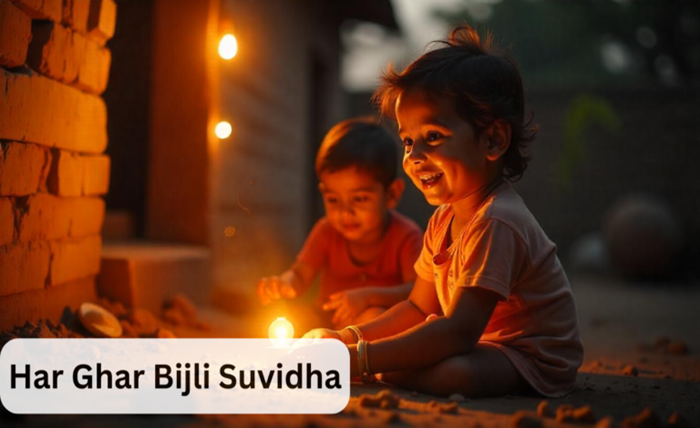
Introduction to Har Ghar Bijli and Its Vision
Har ghar bijli is one of the most transformative development visions in modern India, aiming to ensure that electricity reaches every household without discrimination. The idea behind har ghar bijli is not only to light homes but also to empower citizens socially and economically. When har ghar bijli becomes a reality, it directly impacts education, healthcare, employment, and quality of life. From rural villages to urban slums, har ghar bijli stands as a symbol of inclusive growth and national progress.
The Meaning and Concept Behind Har Ghar Bijli
The concept of har ghar bijli literally means “electricity to every home,” but its implications go far beyond a simple power connection. Har ghar bijli focuses on universal access, affordability, and reliability of electricity for all citizens. Through har ghar bijli, the government aims to bridge the gap between urban and rural infrastructure. This initiative ensures that electricity is treated as a basic necessity rather than a luxury, making har ghar bijli a cornerstone of human development.
Historical Background of Har Ghar Bijli in India
The journey toward har ghar bijli did not begin overnight; it evolved through decades of policy reforms and electrification programs. Earlier rural electrification efforts laid the groundwork, but har ghar bijli unified these scattered initiatives under a clear national mission. With har ghar bijli, India accelerated household-level electrification instead of stopping at village-level connectivity. This shift made har ghar bijli more impactful, measurable, and people-centric.
Government Schemes Supporting Har Ghar Bijli
Several flagship government schemes were launched to turn the dream of har ghar bijli into reality. Programs like Saubhagya and Deen Dayal Upadhyaya Gram Jyoti Yojana directly support har ghar bijli by funding last-mile connectivity. These schemes prioritize poor households, ensuring har ghar bijli reaches even the most remote areas. Financial assistance, subsidies, and simplified procedures have strengthened the implementation of har ghar bijli across states.
Role of Har Ghar Bijli in Rural Development
Har ghar bijli plays a crucial role in transforming rural India by enabling access to modern amenities and opportunities. With har ghar bijli, farmers can use electric pumps, students can study at night, and small businesses can operate efficiently. The presence of har ghar bijli reduces rural-urban migration by improving living standards in villages. Overall, har ghar bijli acts as a catalyst for sustainable rural development.
Impact of Har Ghar Bijli on Education and Health
The availability of har ghar bijli has a profound effect on education and healthcare outcomes. With har ghar bijli, children can study after sunset, schools can use digital tools, and online learning becomes possible. In healthcare, har ghar bijli ensures reliable power for clinics, cold storage for vaccines, and life-saving medical equipment. Thus, har ghar bijli directly contributes to human capital development.
Economic Benefits Generated by Har Ghar Bijli
Har ghar bijli significantly boosts economic growth by enabling productivity and entrepreneurship. Small-scale industries, shops, and service providers thrive when har ghar bijli ensures uninterrupted power supply. Employment opportunities increase as new businesses emerge in electrified areas. By reducing dependence on costly alternatives like diesel generators, har ghar bijli also lowers operational costs and supports economic resilience.
Technological Innovations Driving Har Ghar Bijli
Modern technology plays a vital role in expanding har ghar bijli efficiently and sustainably. Smart meters, solar microgrids, and energy-efficient appliances complement the goals of har ghar bijli. Renewable energy integration helps extend har ghar bijli to remote regions where grid connectivity is challenging. These innovations ensure that har ghar bijli remains future-ready and environmentally responsible.
Challenges Faced in Implementing Har Ghar Bijli
Despite its success, har ghar bijli faces challenges such as infrastructure gaps, power quality issues, and financial constraints of distribution companies. Maintaining reliable supply after initial connection is a key concern for har ghar bijli. Geographic barriers and difficult terrain can delay progress in certain regions. Addressing these challenges is essential to sustain the long-term success of har ghar bijli.
Social Impact of Har Ghar Bijli on Communities
Har ghar bijli has a strong social impact by promoting equality and social inclusion. When har ghar bijli reaches marginalized communities, it reduces disparities and improves safety, especially for women and children. Electrified homes experience better communication, access to information, and social connectivity. In this way, har ghar bijli strengthens community bonds and social well-being.
Environmental Aspects Linked to Har Ghar Bijli
The environmental dimension of har ghar bijli is increasingly important as India balances growth with sustainability. By promoting renewable energy solutions, har ghar bijli can reduce carbon emissions and reliance on fossil fuels. Solar-powered har ghar bijli projects in off-grid areas demonstrate eco-friendly development. Sustainable planning ensures that har ghar bijli supports both people and the planet.
Har Ghar Bijli and Digital India Connection
Har ghar bijli is closely linked with the Digital India vision, as electricity is the backbone of digital connectivity. Without har ghar bijli, access to the internet, digital payments, and online services remains limited. With har ghar bijli, rural citizens can participate in e-governance and digital marketplaces. Thus, har ghar bijli accelerates digital inclusion nationwide.
State-Level Performance of Har Ghar Bijli
Different states have shown varied performance in achieving har ghar bijli targets. Some states have reached near-universal household electrification, while others are still catching up. Monitoring and ranking systems help evaluate har ghar bijli progress transparently. Best practices from successful states can be replicated to strengthen har ghar bijli nationwide.
Future Roadmap for Har Ghar Bijli
The future of har ghar bijli lies in ensuring quality, affordability, and sustainability of power supply. Policymakers aim to move beyond connections to 24/7 reliable electricity under the har ghar bijli framework. Investments in smart grids and renewable energy will shape the next phase of har ghar bijli. Continuous reforms are necessary to keep har ghar bijli aligned with evolving needs.
Role of Citizens in Strengthening Har Ghar Bijli
Citizens play an important role in supporting the success of har ghar bijli by using electricity responsibly. Energy conservation, timely bill payments, and reporting issues help improve the system. Community participation enhances accountability and service quality under har ghar bijli. Active citizen engagement ensures that har ghar bijli remains effective and sustainable.
Comparison of Har Ghar Bijli with Global Electrification Efforts
Globally, many countries strive for universal electrification, but har ghar bijli stands out due to its scale and speed. Compared to similar initiatives worldwide, har ghar bijli has achieved remarkable household coverage in a short time. Lessons from har ghar bijli can inspire other developing nations. International recognition highlights har ghar bijli as a model for inclusive infrastructure development.
Monitoring and Evaluation of Har Ghar Bijli
Effective monitoring systems are essential to track har ghar bijli outcomes accurately. Data-driven dashboards and field surveys help assess household connectivity and supply reliability. Continuous evaluation ensures that har ghar bijli does not remain a one-time achievement but an ongoing service. Transparency strengthens public trust in the har ghar bijli mission.
Conclusion
Har ghar bijli is more than an infrastructure project; it is a transformative movement shaping India’s social and economic future. By ensuring universal access to electricity, har ghar bijli empowers individuals, strengthens communities, and fuels national growth. Sustained efforts, innovation, and accountability will determine the long-term success of har ghar bijli. Ultimately, har ghar bijli represents the promise of light, opportunity, and equality for every household.
FAQs
What is the main objective of har ghar bijli?
The main objective of har ghar bijli is to provide electricity access to every household, ensuring inclusive development and improved quality of life.
Which government scheme is most closely linked to har ghar bijli?
The Saubhagya scheme is most closely associated with har ghar bijli, focusing on last-mile household electrification.
How does har ghar bijli benefit rural areas?
Har ghar bijli benefits rural areas by supporting agriculture, education, healthcare, and local businesses through reliable electricity.
Is har ghar bijli connected to renewable energy?
Yes, har ghar bijli increasingly integrates renewable energy solutions like solar power to reach remote and off-grid areas sustainably.
What challenges still exist in achieving full success of har ghar bijli?
Challenges for har ghar bijli include ensuring reliable supply, improving infrastructure, and maintaining the financial health of power distribution systems.