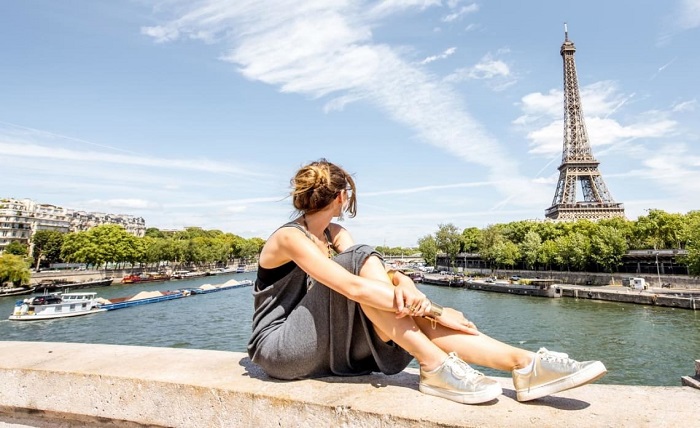
The idea of setting off alone to Europe can be both exhilarating and intimidating. You picture yourself wandering along elegant boulevards, stepping into cozy cafés, and watching trams glide past historic squares. At the same time, questions creep in: Will I feel safe? Will I get lost? Will it be lonely? These concerns are normal, and the good news is that Europe contains many cities where infrastructure, attitudes, and design quietly support the solo visitor.
During quiet evenings in your hotel or apartment, you might jot down reflections from the day, chat with friends back home, or explore a sic bo game online real money on your phone for a few minutes before bed, but the real heart of solo travel lies in the daylight hours you spend learning how a place moves and breathes.
Why Europe Works So Well for Solo Travelers
As a region, Europe offers a practical mix of dense public transport networks, walkable city centers, and a long tradition of welcoming visitors. Trains connect countries in hours rather than days, and many airports sit close to urban cores, simplifying arrivals. For first-time solo travelers, this infrastructure lowers the psychological barrier: if you can read a basic map, follow platform signs, and ask simple questions in English or with a translation app, you can navigate.
Many European cities also value public space. Well-lit streets, pedestrian zones, riverside paths, and central squares are not only picturesque, they provide natural gathering places where solo travelers can sit without feeling conspicuous. You see students studying, retirees meeting friends, commuters passing by with shopping bags.
How to Evaluate Safety and Ease
When people talk about the “safest” European cities, they usually have a mix of factors in mind. Personal safety is the obvious one: low violent crime rates, visible policing, and a culture where harassment is not tolerated. Yet practical safety matters as well. Clear signage in multiple languages, reliable public transport late into the evening, and the presence of other pedestrians after dark all influence how comfortable you feel walking back to your accommodation.
Ease is slightly different. A city can be statistically safe but still confusing. For first-timers, an easy city is one where you quickly understand the structure: where the main station sits, how neighborhoods connect, which tram lines are most useful. Compact city centers with distinct landmarks help with orientation. So do simple ticketing systems for buses and trains, and the availability of guidance at information desks. The more quickly you can build a mental map, the more relaxed you become.
Types of Cities That Suit First-Timers
Rather than chasing a single “best” place, it can help to think in terms of types of cities. Medium-sized capitals with efficient transport systems often work well: large enough to offer museums, parks, and cultural events, yet small enough that you are not overwhelmed. University towns are another attractive option. Their student populations support informal eateries, affordable accommodation, and a lively but generally approachable atmosphere.
Harbor cities and river cities can be especially reassuring because water provides both beauty and orientation. If you know where the river or shoreline lies, it becomes easier to navigate side streets without anxiety. Many such cities also integrate promenades and bike paths, offering safe, scenic routes for walking or cycling alone.
Practical On-the-Ground Strategies
No matter which city you choose, certain habits make solo travel smoother. Before you arrive, study a simple map until you can locate three key points: your accommodation, the main train or bus station, and one central square or landmark. This small preparation reduces the panic that can arise when you step out of a station into unfamiliar surroundings.
On the ground, trust your observations. If a street feels poorly lit and deserted, take a different route, even if it is longer. Stick to busy avenues at night and choose cafés or restaurants where you see a mix of customers, including locals and other solo diners. Keeping your belongings organized—a crossbody bag, a small lock for your backpack, a photocopy of your passport—adds another layer of quiet security. The aim is not to eliminate all risk, but to reduce obvious vulnerabilities.
Social Connection Without Pressure
One common fear about solo travel is loneliness. Yet the same qualities that make certain cities safe and easy also make them sociable. Parks with benches, communal tables in casual eateries, and free walking tours create situations where conversations start naturally. You can talk for ten minutes with another traveler, share one activity, and then part ways without obligation.
Choosing Your First Solo City
When selecting a starting point, listen to both your curiosity and your caution. If a destination fascinates you but feels too chaotic as a first step, consider beginning in a calmer city nearby and adding the more intense place as a day trip. Look for locations with multiple transportation options, a range of accommodation types, and plenty of daylight activities that match your comfort level, from guided tours to self-paced walks.
Ultimately, the “safest and easiest” city is the one where you feel sufficiently supported to stretch your boundaries. Europe offers a rich spectrum of such places. Once you experience the satisfaction of finding your way around, handling small challenges, and creating your own rhythm, you may discover that the biggest change is not in the cities you visit, but in your own quiet confidence as a traveler.