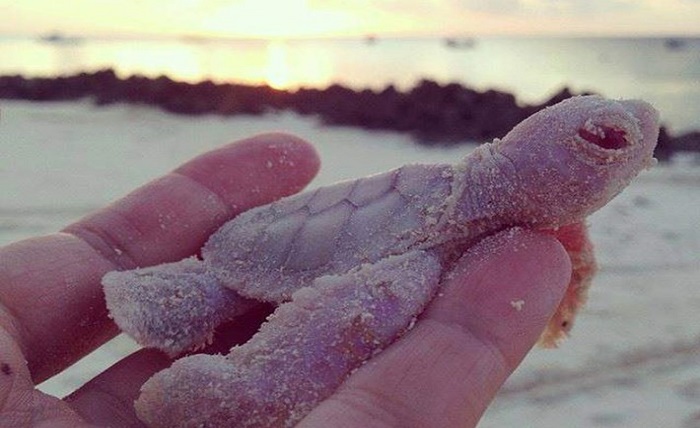
The albino turtle is one of the rarest and most fascinating reptiles found in nature. An albino turtle is born with a genetic condition called albinism, which prevents the production of melanin. Because of this condition, an albino turtle often has a pale yellow, white, or pink shell, light-colored skin, and striking red or pink eyes.
Unlike regular turtles, an albino turtle stands out due to its unusual appearance and rarity. Some species, such as red-eared sliders, snapping turtles, and softshell turtles, can produce an albino turtle through genetic mutation. This rarity makes an albino turtle highly admired among reptile enthusiasts and wildlife researchers.
An albino turtle may look delicate, but it shares many behaviors with ordinary turtles, including swimming, basking, and feeding habits. However, because of the lack of pigmentation, an albino turtle may face unique challenges in the wild.
Why Is Albino Turtle So Rare?
The albino turtle is rare because albinism itself is an uncommon genetic mutation. For an albino turtle to hatch, specific recessive genes must be inherited from both parents. This makes sightings of an albino turtle extremely unusual.
In the wild, an albino turtle has lower survival rates. Since an albino turtle lacks natural camouflage, predators can spot it more easily. Birds, fish, and mammals often target a young albino turtle before it reaches adulthood.
Another reason the albino turtle is uncommon is sunlight sensitivity. Because melanin protects skin and eyes, an albino turtle may struggle with excessive sunlight exposure. These factors contribute to the rarity of an albino turtle in natural habitats.
Wildlife conservationists consider every albino turtle sighting significant, as each observation helps scientists learn more about genetics and reptile adaptation.
Albino Turtle Species Found Around the World
Many turtle species can produce an albino turtle, though some are more commonly reported than others. One well-known example is the albino red-eared slider. This albino turtle is popular in the pet trade because of its bright yellow shell and pink eyes.
The albino snapping turtle is another extraordinary albino turtle variety. Though snapping turtles usually appear dark and rugged, an albino turtle version looks dramatically different, almost glowing underwater.
Softshell species may also produce an albino turtle, though these are even rarer. In some parts of Asia and North America, researchers have documented wild albino turtle hatchlings that attracted global attention.
Sea turtles have occasionally produced an albino turtle as well. An albino sea turtle hatchling is exceptionally rare and often becomes headline news. Each species shows how unique the albino turtle phenomenon can be.
Habitat and Lifestyle of Albino Turtle
The habitat of an albino turtle depends on its species. Freshwater species of albino turtle may live in ponds, rivers, lakes, or marshes. Some aquatic varieties spend much of their time swimming and basking.
An albino turtle generally behaves similarly to normally pigmented turtles. It searches for food, hides from predators, and seeks warm areas for thermoregulation. However, an albino turtle may prefer extra sheltered spaces due to its vulnerability.
In captivity, an albino turtle needs proper habitat conditions, including UVB lighting, clean water, basking areas, and balanced nutrition. Since an albino turtle can have sensitive skin and eyes, controlled lighting is especially important.
A healthy environment helps an albino turtle thrive despite challenges related to albinism. Whether in nature or captivity, habitat quality is crucial for an albino turtle’s survival.
Albino Turtle as a Pet
Many reptile enthusiasts are fascinated by owning an albino turtle because of its exotic appearance. An albino turtle can make a unique pet, but ownership requires commitment and specialized care.
A pet albino turtle needs spacious enclosures, filtered water, proper basking temperatures, and species-appropriate food. Because an albino turtle may be more sensitive than standard turtles, monitoring health becomes even more important.
Some people are drawn to an albino turtle for its beauty alone, but responsible ownership means understanding its needs. Before adopting an albino turtle, owners should research lifespan, tank requirements, and veterinary care.
An albino turtle can live for decades depending on species, so keeping one is a long-term responsibility. For experienced reptile keepers, an albino turtle can be an extraordinary companion.
Challenges Faced by Albino Turtle
An albino turtle faces several challenges both in the wild and captivity. One major issue for an albino turtle is poor camouflage. Without normal coloration, hiding from predators becomes difficult.
Vision problems may also affect an albino turtle. Some albino animals experience reduced eyesight or light sensitivity, and an albino turtle may share these struggles.
Health concerns can arise as well. Because pigmentation offers protection, an albino turtle may be more vulnerable to skin issues and sun exposure. Caretakers often provide special accommodations for an albino turtle to reduce stress.
Illegal wildlife trade is another threat. Due to rarity, some collectors seek an albino turtle, increasing risks of exploitation. Protecting each albino turtle through ethical practices and conservation awareness is important.
Myths and Symbolism About Albino Turtle
Throughout history, the albino turtle has inspired myths and symbolism. In some cultures, an albino turtle is viewed as a sacred or lucky creature. Its unusual appearance often gives an albino turtle mystical significance.
Some people believe seeing an albino turtle symbolizes purity, longevity, or spiritual protection. In folklore, a rare albino turtle may represent wisdom and transformation.
Modern fascination has also made the albino turtle popular online, where viral sightings spark wonder worldwide. Social media has helped educate people that an albino turtle is not mythical, but a real genetic marvel.
While myths can be beautiful, science reveals the true wonder of an albino turtle lies in genetics, survival, and biodiversity.
Conservation and Protection of Albino Turtle
Protecting an albino turtle often means protecting turtle habitats overall. Wetland conservation helps every albino turtle by preserving breeding grounds and reducing environmental threats.
Researchers study each reported albino turtle to understand mutations, survival rates, and ecological impacts. Conservation programs can use data from an albino turtle to improve broader reptile protection.
Public education is also crucial. When people understand the rarity of an albino turtle, they are more likely to support wildlife conservation and oppose illegal trade.
Every albino turtle reminds us how extraordinary nature can be. Preserving biodiversity ensures future generations may continue discovering the beauty of the albino turtle.
Conclusion
The albino turtle is one of nature’s rarest wonders, combining genetic mystery with breathtaking beauty. From its unusual appearance to the survival challenges it faces, the albino turtle captures the attention of scientists, reptile lovers, and conservationists alike.
Whether encountered in the wild or kept responsibly as a pet, an albino turtle deserves admiration and protection. By learning more about the albino turtle, we gain a deeper appreciation for biodiversity and the incredible surprises found in nature.
FAQs
1. What makes an albino turtle different?
An albino turtle differs from normal turtles because it lacks melanin, giving it pale skin, light shells, and pink or red eyes.
2. Is an albino turtle rare?
Yes, an albino turtle is extremely rare because albinism is an uncommon genetic mutation and survival in the wild is difficult.
3. Can an albino turtle be kept as a pet?
Yes, an albino turtle can be kept as a pet, but it needs specialized care, proper lighting, and a healthy habitat.
4. Are albino turtle species endangered?
An albino turtle is not automatically endangered because of albinism, but many turtle species producing an albino turtle may face conservation threats.
5. How long does an albino turtle live?
The lifespan of an albino turtle depends on species, but many can live for decades with proper care.