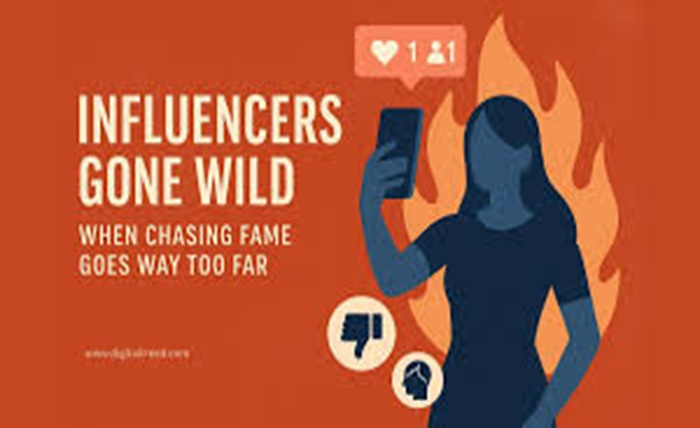
Influencers gone wild is a phrase that has become shorthand for moments when online creators push boundaries, break norms, or spiral into controversy under the pressure of constant visibility, and in the modern creator economy, this idea is far more complex than simple shock value because influencers gone wild often reflects algorithmic incentives, audience expectations, and the nonstop demand for novelty that encourages creators to escalate behavior just to stay relevant, which means that what looks like reckless conduct is frequently the result of systemic forces like platform monetization, engagement-driven metrics, and the psychological toll of being watched, judged, and rewarded in real time by millions of strangers.
Influencers Gone Wild and the Algorithm That Rewards Extremes
Influencers gone wild moments rarely happen in a vacuum, because social media algorithms are designed to amplify content that provokes strong emotional reactions, and when influencers gone wild clips rack up comments, shares, and watch time, platforms interpret that surge as “valuable,” creating a feedback loop where creators learn that louder, riskier, or more polarizing content travels farther, which subtly trains influencers to escalate their behavior, blur ethical lines, or manufacture drama simply to survive in feeds that punish moderation and reward spectacle.
Influencers Gone Wild as a Business Strategy and Branding Gamble
For some creators, influencers gone wild becomes a calculated branding move rather than an accident, because controversy can convert attention into followers, sponsorships, and short-term revenue, yet this strategy is a double-edged sword since influencers gone wild branding can alienate advertisers, trigger demonetization, or permanently damage trust, forcing creators to weigh whether fleeting virality is worth long-term credibility in an ecosystem where screenshots live forever and brand safety concerns can erase years of growth overnight.
Influencers Gone Wild and the Psychology of Online Fame
Influencers gone wild stories often reveal the psychological strain of internet fame, because constant performance, parasocial relationships, and public scrutiny can distort self-image and decision-making, and when influencers gone wild episodes unfold, they frequently involve burnout, anxiety, or identity confusion as creators struggle to separate their authentic selves from the exaggerated personas that algorithms reward, highlighting how mental health support, boundaries, and offline grounding are often missing in an industry that moves faster than human coping mechanisms.
Influencers Gone Wild and Public Backlash Culture
Influencers gone wild incidents are closely tied to backlash culture, where audiences rapidly shift from admiration to condemnation, and when influencers gone wild clips spread, they invite commentary, reaction videos, and pile-ons that can escalate minor mistakes into career-threatening scandals, demonstrating how online accountability sometimes blurs into performative outrage, while also reminding creators that transparency, timely apologies, and genuine corrective actions matter more than defensive explanations in rebuilding trust.
Influencers Gone Wild and Legal or Ethical Consequences
Influencers gone wild can cross from reputational risk into legal and ethical territory, especially when content involves misinformation, unsafe stunts, undisclosed ads, or exploitation, and as influencers gone wild controversies attract regulatory attention, platforms and governments increasingly enforce rules around advertising disclosures, data privacy, and harmful behavior, signaling that the era of “anything for views” is narrowing as accountability frameworks catch up to digital influence.
Influencers Gone Wild and Lessons for Aspiring Creators
Influencers gone wild serves as a cautionary tale for newcomers who equate success with shock, because sustainable influence is built on consistency, trust, and value rather than constant escalation, and by studying influencers gone wild patterns, aspiring creators can learn to design content strategies that respect audiences, protect mental health, and diversify income streams so that one viral misstep does not define an entire career.
Conclusion
Influencers gone wild ultimately reflects the growing pains of a young industry, where technology evolved faster than norms, and as influencers gone wild moments continue to spark debate, the future of creator culture will likely favor those who balance creativity with responsibility, leverage algorithms without being ruled by them, and remember that influence is not just about reach but about the real-world impact words and actions have on audiences who are listening.
What does the phrase really mean?
Influencers gone wild generally refers to situations where creators behave controversially or push boundaries for attention, and while influencers gone wild can imply reckless actions, it often highlights deeper issues like algorithm pressure, burnout, or misaligned incentives rather than simple misbehavior.
Why do these moments go viral so fast?
Influencers gone wild content spreads quickly because platforms prioritize engagement, and when influencers gone wild clips trigger strong reactions, algorithms amplify them across feeds, accelerating visibility far beyond the creator’s original audience.
Can creators recover after controversy?
Influencers gone wild does not always mean the end of a career, because recovery is possible through accountability, learning, and consistent positive action, and many influencers gone wild cases show that audiences are willing to forgive when growth feels genuine.
How can brands avoid risky partnerships?
Influencers gone wild risks can be reduced when brands vet creators thoroughly, monitor past behavior, and prioritize long-term alignment, because avoiding influencers gone wild scandals protects brand reputation and marketing investments.
What is the future of influencer accountability?
Influencers gone wild discussions suggest a future with clearer rules, stronger platform enforcement, and more educated audiences, where influencers gone wild moments become less about shock and more about meaningful conversations around responsibility and influence.