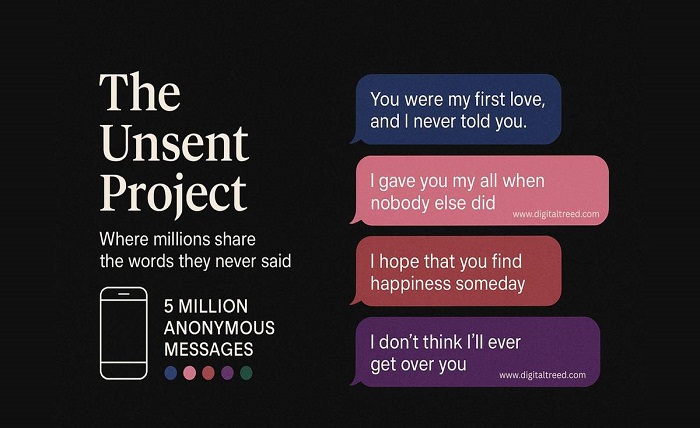
In a world where communication is instant and constant, project unsent has emerged as a powerful emotional outlet for people who have something to say but no safe place to say it. The idea behind project unsent is simple yet deeply moving: write the message you never sent, submit it anonymously, and let your truth exist without consequences. From confessions of love to unresolved heartbreak, project unsent captures the raw emotions people often hide behind silence.
The Origins and Meaning of project unsent
The story of project unsent begins with a creative exploration of emotional vulnerability, and project unsent was originally conceived as a digital art project centered around unspoken love. Over time, project unsent evolved into a global archive of anonymous messages submitted by people from all walks of life. What started as a niche concept quickly transformed into a movement that resonated with millions who needed closure, expression, or simply a place to be heard.
At its core, project unsent is about emotional honesty without expectation. Unlike direct messaging or public posting, project unsent removes the pressure of response. There is no reply button, no typing indicator, and no confrontation—just truth. This unique dynamic makes project unsent incredibly liberating for those who fear rejection, conflict, or reopening old wounds.
The emotional weight behind project unsent submissions often reflects unfinished chapters. Many messages shared on project unsent are addressed to former partners, lost friends, parents, or even oneself. By allowing people to articulate feelings that remain unspoken, project unsent acts as both a therapeutic release and a digital time capsule of human emotion.
Why project unsent Resonates With Millions
One reason project unsent has gained such popularity is that nearly everyone has experienced something left unsaid. Whether it is an apology, a confession, or a goodbye, project unsent gives voice to those lingering thoughts. In a culture that promotes constant communication, project unsent acknowledges that sometimes silence feels safer than confrontation.
Another reason project unsent resonates so deeply is its anonymity. Because project unsent does not require names or direct interaction, users can express themselves without fear of judgment. This freedom encourages honesty, and the honesty found in project unsent submissions often feels startlingly real. Readers recognize their own emotions in strangers’ words, creating a sense of shared humanity.
The color-coding system often associated with project unsent adds another emotional layer. When contributors associate their messages with colors, project unsent transforms feelings into visual experiences. Love may appear in red, sadness in blue, nostalgia in yellow, and anger in black. This artistic element makes project unsent more than a collection of messages—it becomes an emotional mosaic.
The Psychology Behind project unsent
From a psychological perspective, project unsent functions as a form of expressive writing therapy. Research has long shown that writing about emotions can reduce stress and improve mental clarity, and project unsent offers that same benefit in a communal digital format. When people contribute to project unsent, they externalize emotions that might otherwise remain bottled up.
Closure is another psychological component embedded in project unsent. Even if the intended recipient never reads the message, the act of posting to project unsent can simulate the feeling of being heard. This symbolic release often helps individuals process grief, heartbreak, or unresolved tension.
There is also a validation effect present within project unsent. When readers scroll through submissions and see emotions similar to their own, project unsent reduces feelings of isolation. Knowing that countless others have loved, lost, regretted, and hoped in similar ways makes personal pain feel less lonely and more universal.
How project unsent Reflects Modern Digital Relationships
Modern relationships are shaped by texting, social media, and constant connectivity, and project unsent reflects the complexity of this digital age. Many messages in project unsent reference unread texts, blocked accounts, and ghosted conversations. These modern relationship patterns create emotional limbo, and project unsent becomes a space to resolve what digital silence leaves behind.
Ghosting, for example, is a recurring theme within project unsent. When someone disappears without explanation, the person left behind often carries unanswered questions. Through project unsent, individuals can articulate the questions they never got to ask. This ability to speak without interruption makes project unsent uniquely suited to addressing modern relational ambiguity.
Additionally, project unsent captures the tension between public personas and private feelings. Social media encourages curated happiness, but project unsent exposes the vulnerability hidden beneath filtered photos and carefully crafted captions. In doing so, project unsent challenges the illusion that everyone else has closure while we alone are left with unfinished stories.
The Emotional Categories Found in project unsent
A significant portion of project unsent revolves around love, both fulfilled and unfulfilled. Romantic confessions that were never spoken find a home in project unsent, where vulnerability can exist without rejection. These messages often carry hope, regret, and longing all at once.
Another common theme within project unsent is apology. People frequently submit messages expressing remorse for things they never had the courage to admit. In this way, project unsent becomes a silent confessional booth, allowing individuals to confront guilt without reopening old wounds.
Grief also plays a major role in project unsent. Messages addressed to deceased loved ones are particularly poignant within project unsent, as they reflect conversations permanently cut short. The platform allows mourners to continue speaking, even when replies are no longer possible.
Finally, project unsent includes messages of anger and betrayal. Not all submissions are soft or romantic; some are raw and sharp. This emotional range proves that project unsent is not limited to one type of feeling but instead mirrors the full spectrum of human experience.
How to Submit and Engage With project unsent
Participating in project unsent is intentionally simple, which contributes to its accessibility. Users typically visit the project unsent platform, write their message, select a color that represents their emotion, and submit anonymously. The ease of this process lowers barriers, making project unsent inviting for first-time contributors.
When engaging with project unsent as a reader, individuals often browse by name or color. Searching a name on project unsent can be an emotional experience, as users may encounter messages addressed to someone who shares that name. Even if the message is not meant for them, project unsent creates moments of unexpected reflection.
It is important to approach project unsent with emotional awareness. While project unsent can be therapeutic, reading large volumes of heartbreak and longing may also feel overwhelming. Setting boundaries while exploring project unsent ensures the experience remains supportive rather than emotionally draining.
The Cultural Impact of project unsent
Over time, project unsent has influenced conversations about vulnerability and emotional expression. In a society that often discourages open displays of feeling, project unsent normalizes the act of saying what you truly feel—even if only anonymously. This cultural shift contributes to broader acceptance of emotional transparency.
Creative communities have also drawn inspiration from project unsent. Writers, artists, and musicians frequently reference project unsent as a reminder that powerful stories exist in everyday silence. By showcasing anonymous voices, project unsent democratizes storytelling and elevates ordinary experiences into collective art.
The enduring popularity of project unsent suggests a deep human need for expression without consequence. As digital communication continues to evolve, project unsent stands as evidence that even in an age of instant messaging, some words feel safer when left unsent yet still shared.
Conclusion
Ultimately, project unsent represents more than a website or trend; project unsent symbolizes the universal desire to be heard without fear. By offering a space where emotions can exist freely and anonymously, project unsent bridges the gap between silence and expression. Whether used for closure, creativity, or catharsis, project unsent continues to remind us that unspoken words still carry meaning. In embracing vulnerability through project unsent, people discover that even unsent messages can heal.
FAQs
1. What is project unsent?
Project unsent is an anonymous online platform where individuals submit messages they never sent to someone, and project unsent serves as a public archive of hidden emotions.
2. Is project unsent really anonymous?
Yes, project unsent is designed to protect user identity, and project unsent does not require personal details that would link messages to specific individuals.
3. Can the person I wrote about see my project unsent message?
Unless someone intentionally searches and recognizes the message, project unsent submissions are unlikely to be directly traced, making project unsent a symbolic rather than confrontational form of communication.
4. Why do people use project unsent instead of sending the message directly?
Many individuals choose project unsent because project unsent allows emotional release without risking rejection, conflict, or reopening painful conversations.
5. Is project unsent good for mental health?
For many users, project unsent provides a therapeutic outlet, and project unsent can support emotional processing when used mindfully and alongside healthy coping